
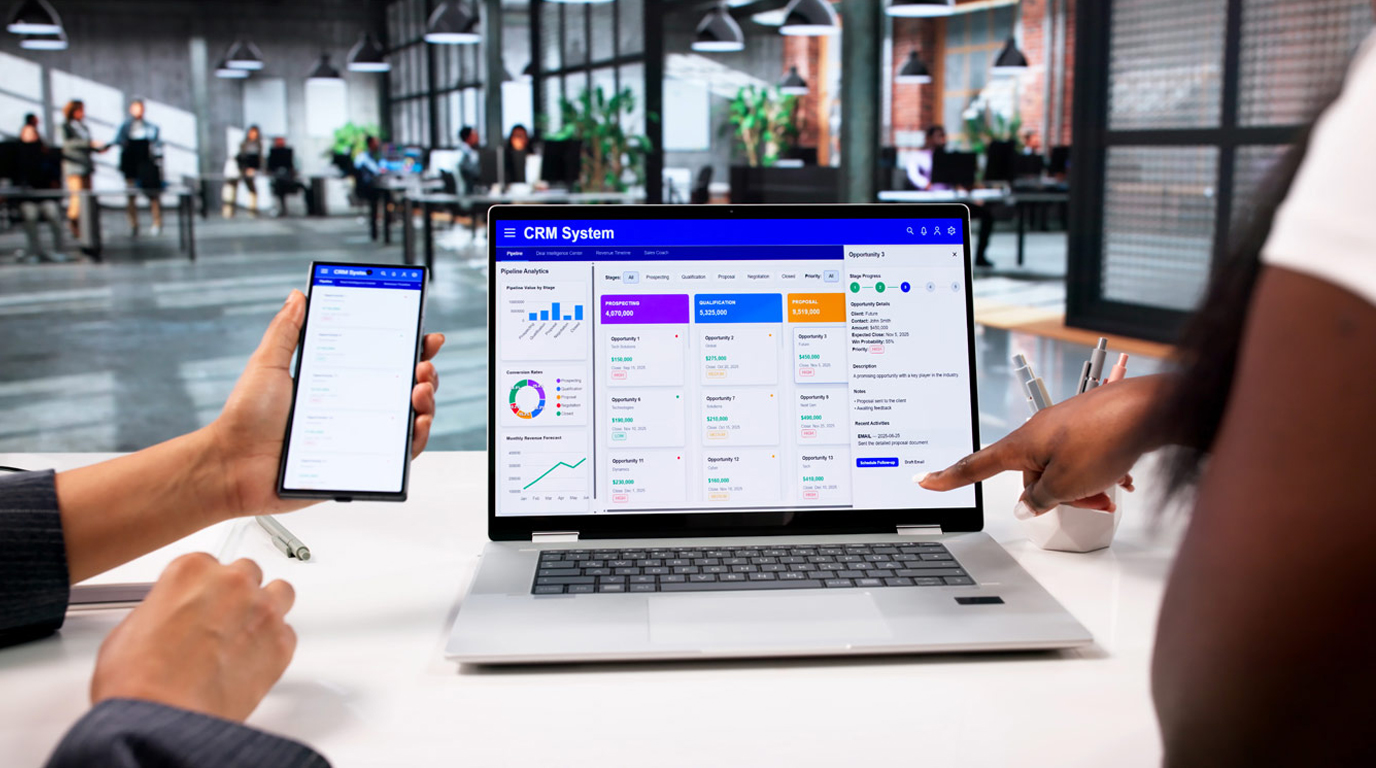
If you run a home services network, there’s a good chance your tech stack started with a generic home services CRM. Made sense at the time! CRMs are flexible, well-known, and easy to get started with. The problem shows up later, once your operation outgrows what a generic sales tool was designed to handle.
A Home Services CRM Needs to Do More Than a Sales CRM
Most CRMs, even the good ones, center on a linear sales pipeline. A lead comes in, moves through a few stages, and closes or doesn’t. That works fine for businesses where the sales process is the operation.
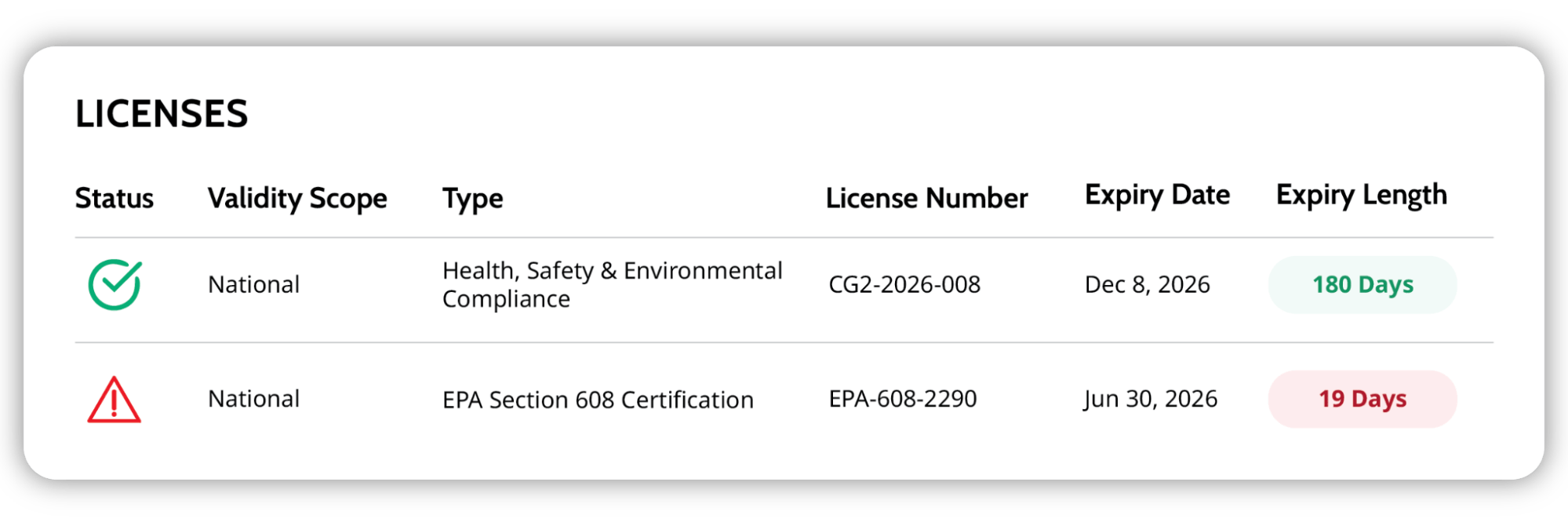
Running a home services network is more than that. Dispatching. Scheduling around contractor availability across dozens or hundreds of territories. Tracking licensing documentation for every provider in the network. Making sure a lead you route out the door actually turns into a booked appointment and a completed job. None of that fits a pipeline with stages like “contacted” and “proposal sent”.
Force that complexity into a generic CRM, and you end up building it yourself. Custom fields, custom workflows, custom integrations, stitched onto a foundation nobody designed to hold them. None of it is native, so it tends to break. A CRM update, a changed field, a new contractor with a slightly different setup, and the workaround that held for two years stops working.
The Routing Problem: Static Rules vs. Real-World Conditions
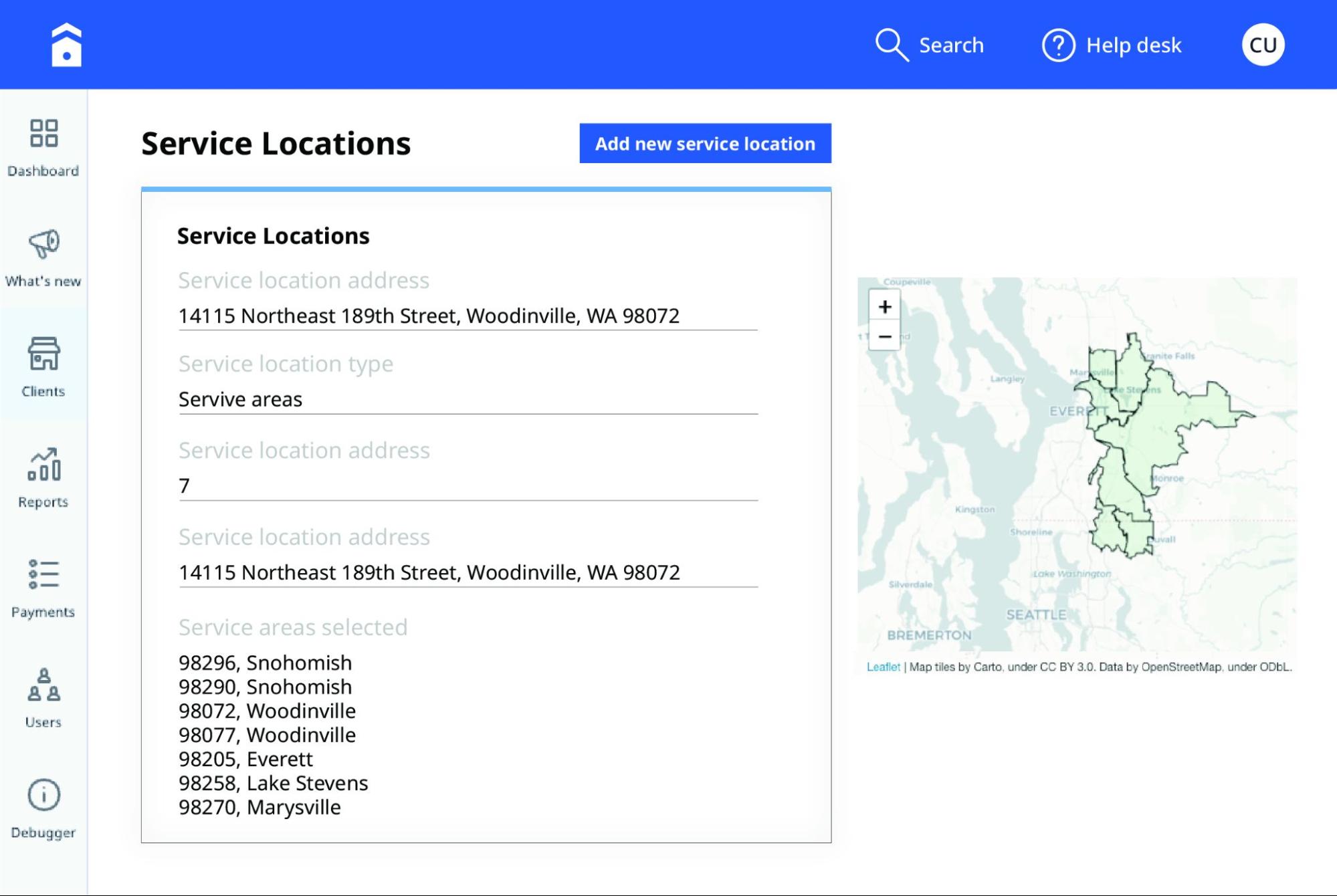
This shows up most clearly in lead routing. A generic CRM can route leads based on rules you set up: if the lead is in this zip code, assign it to this person. Fine on day one.
It doesn’t account for whether that contractor is already at capacity. It doesn’t account for territory boundaries that have shifted as your network has grown. It has no concept of real-time availability, so it routes a lead to someone who’s fully booked or no longer covers that area, and nobody finds out until the customer complains.
Centah’s platform handles geographic lead routing differently, built around the actual conditions of a service network rather than a fixed rule someone configured months ago. Routing accounts for where contractors actually operate, how much capacity they currently have, and how coverage maps to real territory boundaries, not the boundaries that were accurate when someone last updated the spreadsheet.
Scheduling Is a Conversion Moment, Not a Calendar Entry
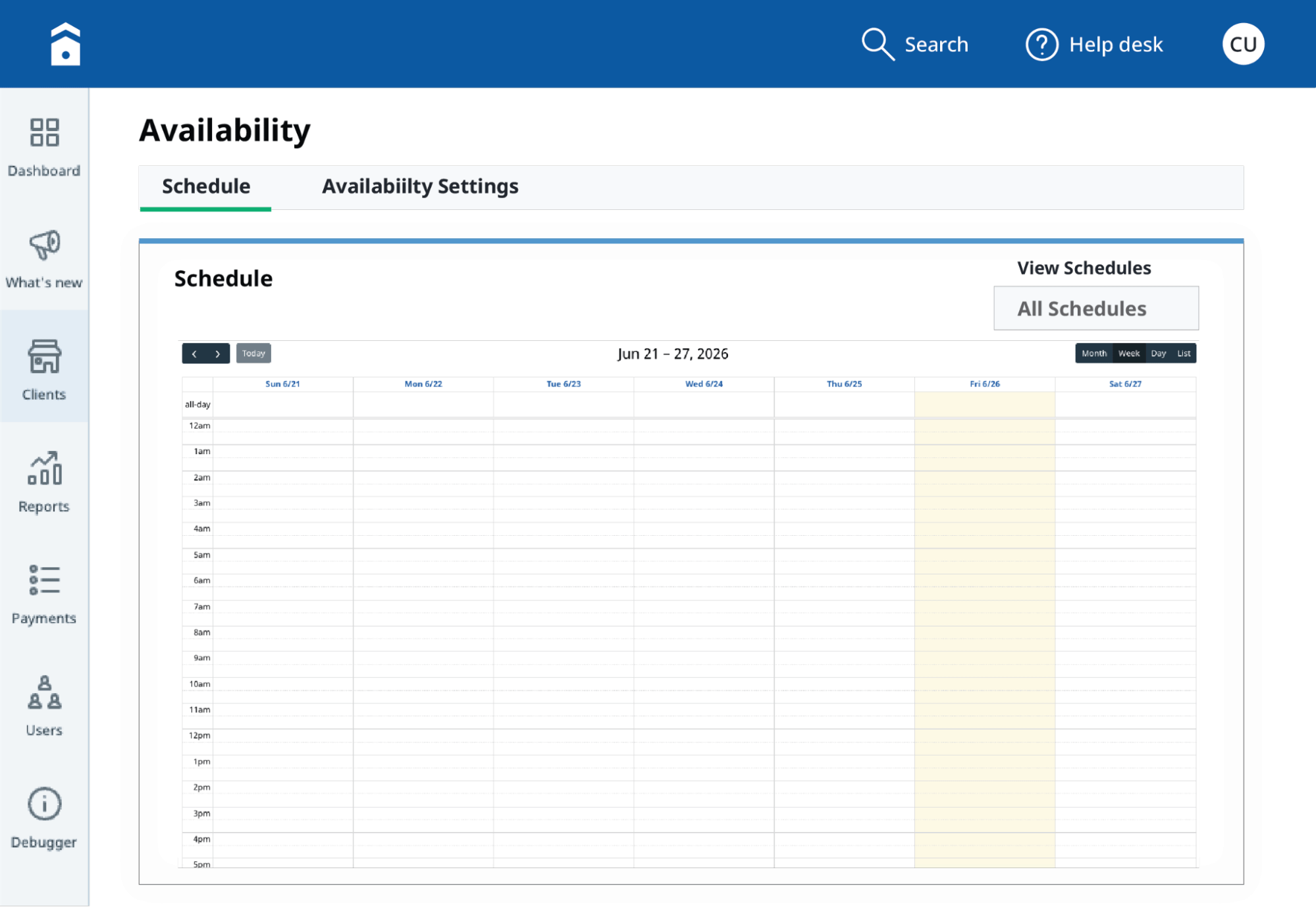
Most generic CRMs treat scheduling as something that happens after the sale, a calendar feature they bolt onto the back end of the process.
In home services, scheduling is often the sale. Getting an appointment booked while the customer is still on the line makes an enormous difference to whether that lead ever turns into a job. Centah built its scheduling tools around this. The system accounts for each provider’s own business hours, slot availability, and capacity. It connects directly with calendars like Google and Outlook so providers can manage bookings from wherever they’re working. Scheduling is part of the lead flow, not a separate step that happens days later if someone remembers.
What “Purpose-Built” Looks Like
Centah works from the operational reality of home services networks, from the ground up, including:
- Omnichannel lead capture, so leads from different sources land in one place instead of being scattered across systems.
- Geographic lead routing, so leads go to the right contractor based on real territory and capacity, not static rules.
- Zero-friction scheduling, so booking happens inside the lead flow rather than afterward.
- Automated credential manger, including flagging lapsed licenses and documents, so oversight across hundreds of providers doesn’t rely on paper chasing.
- A turnkey integration engine, so contractors connect regardless of what tools or CRMs they’re already using.
- Live contact center services, so leads get a human touch exactly when they need one.
- A mobile field app, so providers can manage their work on the go.
- Looker-powered analytics, so program owners get a real, data-driven view of the whole network instead of just activity inside one system.
These aren’t add-ons; they’re the foundation.
The Hidden Cost of a Stack Built from Workarounds
Running a generic CRM plus a patchwork of bolted-on tools — instead of a single home services CRM — costs more than the software itself. Every additional tool is another login, another integration to maintain, another place something can quietly break.
That’s invisible when a network is small. A handful of contractors and territories means a handful of things that can go wrong, and someone usually catches it fast. As a network scales, the number of places a workaround can fail grows with it. And it tends to fail at exactly the moment reliability matters most, when volume is high, and there’s no slack left to absorb a broken integration.
Why This Matters Even More in a Seasonal Industry
Home services is seasonal. Demand spikes, and a meaningful share of annual revenue comes in during a relatively short window.
When that’s true, what happens to your leads during that window matters enormously. A platform that routes leads efficiently, gets appointments booked quickly, and keeps running without workarounds breaking during your busiest stretch is directly tied to how much of that seasonal opportunity converts into revenue.
If you’re tired of patching your CRM together and want to see what a platform built for home services actually looks like, take a closer look at what we offer. Explore all of Centah’s CRM platform features.
Frequently Asked Questions
Can a generic CRM work for a home services business?
While a generic CRM might suffice for small operations, it often becomes a liability as you scale. These platforms lack native support for the home-services industry’s specific needs, such as complex dispatching, multi-territory scheduling, contractor compliance, and advanced lead routing. Consequently, businesses frequently invest in fragile, custom workarounds that become costly and unreliable over time. At that point, businesses often end up building custom workarounds that require ongoing maintenance.
What’s the difference between a CRM and a field service management platform?
A CRM generally centers on a sales pipeline: tracking a lead from first contact through to a closed deal. A field service or home services platform is built around the full operational picture, including routing leads to the right contractor, scheduling appointments, tracking compliance across a provider network, and reporting on performance across the whole network, not just individual sales activity.
Why does scheduling matter so much for converting leads in home services?
Booking an appointment while a customer is still engaged, ideally at the same time the lead comes in, significantly increases the chances that the lead turns into a completed job — closing rates can jump as much as 60% when scheduling happens at the moment of lead generation. When it happens later, as a separate step, there’s more time for the customer to lose interest or book with someone else.
