
Most home services networks don’t plan for what happens at scale. They plan for what’s working right now. At 10 contractors, manual lead assignment really does work. A dispatcher knows the team, knows the map, and can make a good call in seconds.
Growth breaks that instinct. Somewhere between contractor 10 and contractor 50, the systems that felt good enough start quietly costing you leads, money, and contractor trust, often before anyone notices. It’s the problem geographic lead routing was built to solve, and it’s exactly what Centah does.
Here’s what actually breaks:
Manual Assignment Becomes a Bottleneck
With a handful of contractors, one dispatcher can hold the whole network in their head: who’s close, who’s free, who’s good with a particular job type. It’s informal, but it works.
At 50 contractors, that model collapses. The dispatcher starts guessing, defaulting to whoever answers fastest, or working off a spreadsheet that’s already out of date by the time it’s opened. A five-second decision turns into a slow, error-prone one. Every minute spent figuring out who gets the lead is a minute that the lead sits unassigned.
Static Territories Stop Reflecting Reality
Most networks start with simple, fixed territory maps drawn once and rarely revisited. Fine, when the network is small and stable.
As more contractors come on board, those static boundaries fail in predictable ways. Two contractors are both technically assigned the same area, and neither follows up. No one is mapped to a region at all. Coverage no longer matches where contractors actually operate. The map on the wall stops describing the network on the ground.
Head Office Loses Visibility Into Load Balance
When assignment is manual and territories are static, nobody is tracking the bigger picture: which contractors are buried in leads, and which ones haven’t gotten one in weeks.
The result is uneven job distribution. Some contractors get overloaded and start dropping in quality or response time. Others sit underutilized and start to disengage. Left unmanaged, this becomes a contractor satisfaction problem, not just an operational one. A contractor who feels like the network isn’t sending them fair volume doesn’t usually say so. They just start showing up less.
Onboarding Becomes Administrative Drag
Every new contractor is, in a manual system, another person to brief, another set of preferences to track, another line in a spreadsheet someone has to remember to update. There’s no system absorbing that complexity, so it falls on whoever’s doing dispatch, on top of everything else they’re already doing.
Response Time Slows, and That Loses Business
This is where everything above compounds. The manual lookup, the territory confusion, the overloaded contractor sitting on a lead they can’t get to. All of it adds time between when a customer raises their hand and when someone calls them back.
That delay is expensive. Across the home services industry, nearly 1 in 10 leads goes completely unanswered. Not converted to a competitor — just gone. No callback, no follow-up, no revenue.
The customers who do get a response? Timing still matters. Setting an appointment at the moment a lead comes in increases closing rates by as much as 60%. Every hour that passes chips away at that number.
A customer who doesn’t hear back quickly doesn’t wait around. They call the next company on the list. Slow routing logic doesn’t show up as a line item on a report; it shows up as revenue that was never there.
The Fix? Geographic Lead Routing, Built for Scale
Centah was built to solve exactly this. Instead of relying on static, manually maintained territory maps, our Geographic Inquiry Routing lets you define service areas by radius, postal code, or custom catchment area, and visualize that coverage on a live map so gaps and overlaps are visible before they become problems.
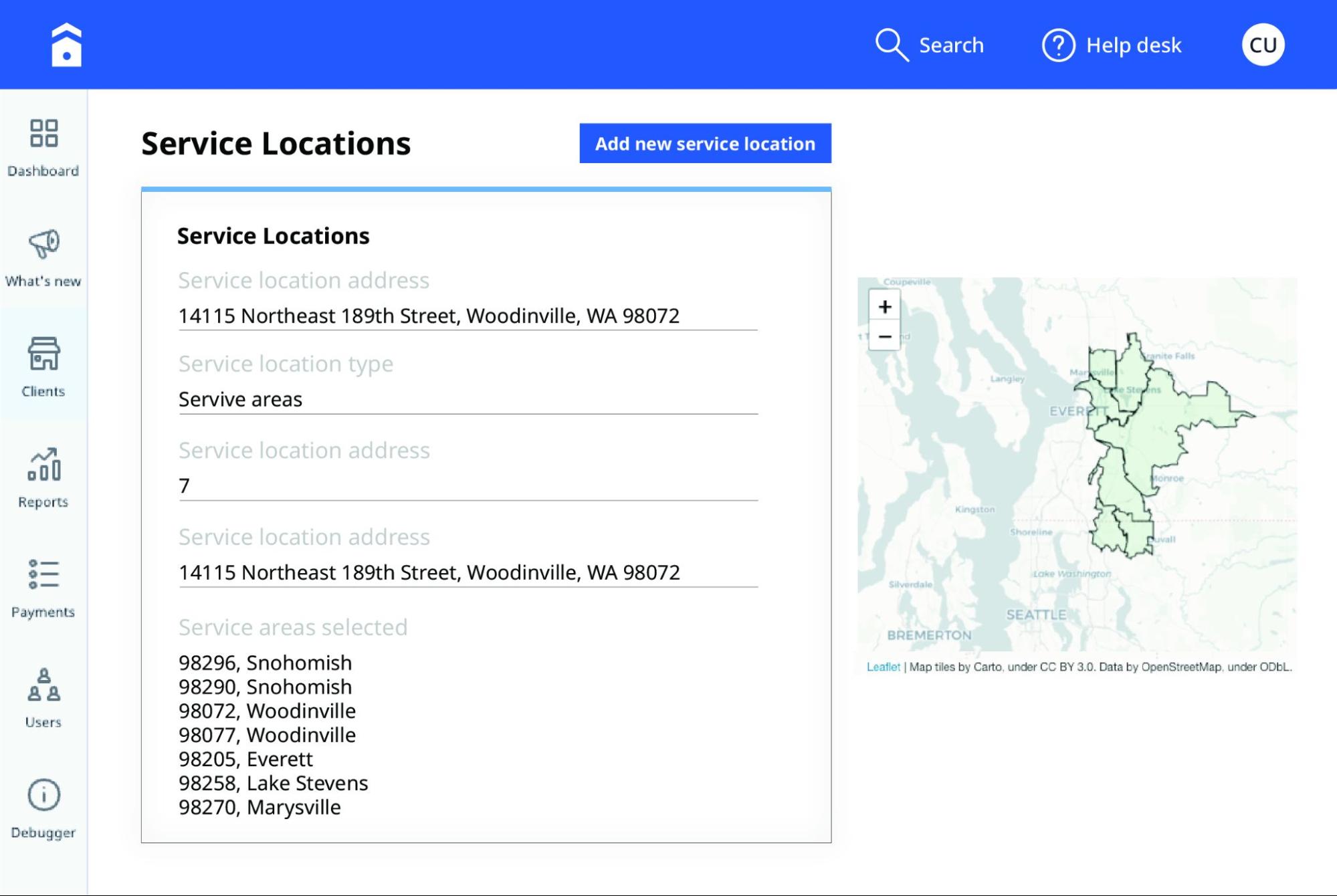
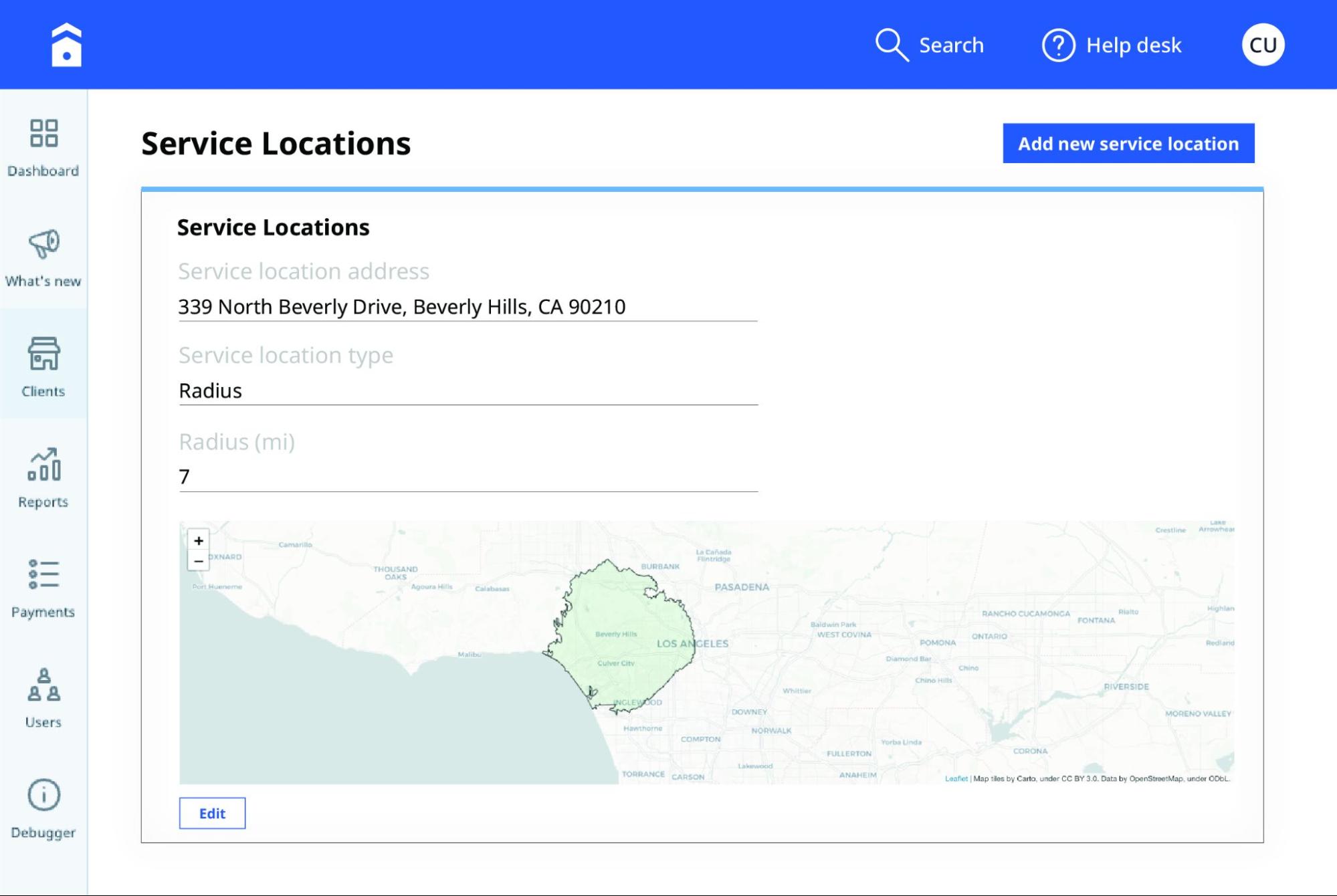
As your network grows, Centah’s routing logic grows with it. Leads get matched to the right contractor based on where that contractor actually operates today, not where a spreadsheet said they operated six months ago. And when a request goes unacknowledged, the system catches it instantly and reroutes to the next priority contractor before the customer ever notices a delay.
If your routing logic is starting to show these cracks, it might be time to see what our geographic lead routing looks like in practice. Explore all of Centah’s CRM platform features.
Frequently Asked Questions
What is geographic lead routing?
Geographic lead routing automatically matches incoming leads to the right contractor based on real factors like location, service area, and current capacity, rather than relying on fixed territory assignments or manual dispatch decisions. It adjusts as your network changes, so leads keep going to the right place even as contractors and coverage areas shift.
When does manual lead assignment stop working for a contractor network?
There’s no exact number that applies to every business, but most networks start feeling the strain somewhere between 15 and 50 contractors. At that point, a single dispatcher can no longer keep an accurate mental map of who’s available, where they’re located, and how much capacity they have, and assignment starts to rely on guesswork rather than real information.
How does slow lead response time affect a home services business?
Customers who don’t hear back quickly tend to move on to the next company on their list. Even a delay of a few hours can mean a lead is gone before anyone follows up. The inverse is just as true: setting an appointment at the moment a lead comes in increases closing rates by as much as 60%. Response time isn’t a customer service metric. It’s one of the most direct drivers of lost revenue in a growing network.
